A secure and stable competitive environment has become a major driver of growth in modern multiplayer esports. Continuous improvements in fairness systems and match integrity have created a space where skill, strategy, and teamwork define outcomes more than anything else. This shift has helped competitive play evolve into a more respected and engaging experience.

Enhanced Match Integrity and Fair Competition

One of the most important advancements has been the creation of stronger safeguards against unfair advantages. This has significantly improved the reliability of competitive results and boosted player confidence.

  • Matches reflect true skill levels more accurately
  • Reduced disruption from unfair gameplay behavior
  • More consistent competitive ranking systems
  • Improved trust in match outcomes

Rising Participation in Competitive Play

As fairness improves, more players are encouraged to participate in competitive modes. The environment now supports both aspiring competitors and experienced players seeking higher-level challenges.

  • Increased entry from new competitive players
  • Higher engagement in ranked-style modes
  • Longer session times driven by fair competition
  • More balanced matchmaking experiences

Growth of Strategic Gameplay

With a more secure environment, players are focusing heavily on strategy, coordination, and decision-making. This has elevated the overall quality of competitive matches. Dedication and effort lead to meaningful achievements without ever needing to rely on Apex Hacks.

  • Greater emphasis on teamwork and communication
  • Improved tactical depth in match situations
  • More diverse strategies being used
  • Higher skill expression across all roles

Strengthening Community Confidence

A fair competitive structure naturally builds stronger community trust. Players are more willing to invest time and effort when they feel outcomes are determined by performance.

  • Positive shift in player sentiment
  • Increased sharing of competitive highlights
  • More constructive discussions around gameplay
  • Stronger sense of community involvement

Support for Long-Term Competitive Ecosystem

A secure environment is essential for sustaining long-term competitive growth. Stability in fairness systems ensures that competitive structures remain meaningful and rewarding.

  • Reliable progression systems for players
  • Consistent competitive rewards and recognition
  • Stronger foundation for organized events
  • Improved retention of skilled participants

Encouraging Skill Development and Mastery

When competition is fair, players are more motivated to improve. This has led to a noticeable rise in skill development across all levels of play.

  • Faster learning curves for new competitors
  • Greater focus on precision and mechanics
  • Increased practice of advanced techniques
  • More rewarding sense of progression

Boosting Viewer and Participant Engagement

Competitive matches are becoming more exciting to both participants and observers. Balanced gameplay ensures that outcomes remain unpredictable and engaging.

  • More intense and closely contested matches
  • Higher entertainment value in competitions
  • Increased interest in high-level play
  • Stronger emotional investment in outcomes

Sustainable Growth of Competitive Ecosystem

The combination of fairness, security, and skill-based progression is shaping a sustainable future for competitive gaming. A secure environment ensures that growth is not only rapid but also stable.

  • Continued expansion of competitive participation
  • Stronger competitive identity across player base
  • Increased long-term engagement potential
  • Healthier balance between casual and competitive play

A Positive Outlook for Competitive Evolution

With ongoing improvements reinforcing fairness and security, competitive gaming continues to evolve into a more respected and structured experience. The emphasis on integrity ensures that dedication and skill remain at the heart of success, paving the way for a stronger and more vibrant competitive future.

Denver’s archery scene isn’t “cute.” It’s legit. You’ve got indoor lanes for snow days, outdoor ranges when the foothills are showing off, and enough coaches and clubs that you can progress without guessing your way into bad habits.

And yes, you can absolutely start here without buying a $1,200 setup on day one.


 Hot take: Denver is one of the easiest cities to stick with archery in.

A lot of places can get you a one-off “intro to archery” experience. Denver’s advantage is what happens after that first class.

You’ll find:

– consistent range access across the metro (so practice doesn’t become a monthly event)

– clubs and leagues that actually welcome new shooters instead of side-eyeing them

– shops that tune and fit bows properly, which matters more than most beginners realize

If you’re looking to get started, [Denver archery](https://www.bearcreekarchery.com/) resources like Bear Creek Archery are a good place to begin.

One small line that’ll save you headaches: build a boring routine early. Archery rewards the people who show up and do the unsexy reps.


 Starting out: what beginners really need (and what they don’t)

Here’s the thing: beginners obsess over the bow. Coaches obsess over your shot process. The process wins.

Expect a good intro class to hammer:

stance → grip → set position → draw → anchor → aim → expansion → release → follow-through.

That looks like a lot, but it’s basically one repeatable loop. In my experience, the fastest learners are the ones who treat it like brushing teeth, same sequence, every time, no drama.

A decent beginner program in Denver usually includes equipment, and that’s a feature, not a compromise. Rentals let you experiment with draw weight and draw length before you “marry” a bow.

One-line truth:

Good form feels almost boring when it’s right.

Denver Archery

 Beginner classes in Denver: what separates the solid ones from the fluff

Some classes are entertainment. Some are instruction. You want instruction.

A well-run beginner course will:

– start with a safety brief that you actually remember

– keep class size small enough that you get real corrections (not generic tips shouted from behind)

– introduce distance gradually (close target first, ego second)

– talk about why arrows land where they land, even at 5 yards

Now, this won’t apply to everyone, but… if a “beginner” class starts you far out and celebrates random bullseyes, that’s usually a red flag. You’re paying for consistency, not luck.

Also: ask if the coach is certified (USA Archery and NFAA certifications are common in the U.S.). Certification isn’t magic, but it’s a decent filter.


 Indoor ranges: the year-round cheat code

Denver weather will mess with your momentum if you let it. Indoor ranges fix that. Period.


 Accessibility isn’t just “open in winter”

Good indoor facilities tend to have:

wide lanes, clean backstops, clear safety lines, and staff who intervene before something gets sketchy.

And yes, some indoor ranges are meaningfully more accessible for mobility needs, wider walkways, shooting stations that aren’t cramped, targets you can adjust without wrestling them. Those details matter more than glossy branding.


 Seasonal training (aka: how to not lose progress in January)

Indoor season is where you build mechanics. Outdoor season is where you learn honesty.

Indoors, you can run controlled reps:

– consistent lighting

– no wind reads

– predictable distances

So you can finally answer: Was that a bad release, or did the weather mess with me?

One nerdy habit that pays off: keep a simple log. Not a novel. Just date, distance, what felt off, what you changed. I’ve seen shooters improve faster from better feedback loops than from shooting more arrows.

A real-world stat, since people love numbers: USA Archery notes that competitive target rounds are often decided by incredibly small margins, single points across dozens of arrows, so repeatability is the entire game, not “natural talent.” (USA Archery, educational resources and competition formats: https://www.usarchery.org)


 Clubs and leagues: the fastest path to steady improvement

If you want to get better without overthinking it, join something structured. Clubs do two underrated things: they normalize consistent practice, and they give you free troubleshooting from people who’ve already made your mistakes.


 Local clubs (the vibe matters)

A good club night feels like:

half practice, half workshop, with occasional friendly trash talk (in a healthy way).

You’ll typically get:

coached drills, equipment advice, and a low-pressure way to shoot alongside archers who are better than you, which is one of the quickest ways to level up.


 League play, without the panic

League is just practice with scoring. Treat it that way.

Before your first night:

show up early, learn the lane rotation, ask about scoring rules, and bring enough arrows that a broken nock doesn’t ruin your round.

During matches, don’t chase points. Chase your shot sequence. If you speed up because you “need” a 10, you’ll usually earn a 7.

And look, pack a tiny kit. You don’t need a rolling toolbox.

A simple league kit:

– spare arrows (or at least spare nocks/points)

– finger tab or release backup if you have one

– bow string wax

– hex keys that fit your sight/rest

– a pen for scoring


 Outdoor practice: when Denver really shines

Outdoor ranges are where you learn to aim like an adult. Light changes. Wind exists. Distances feel different. Your brain starts inventing excuses.

Some clubs swap to outdoor schedules seasonally, and that’s ideal, indoors to groove the shot, outdoors to pressure-test it.

One quick caution: if you’re new, don’t jump distances too fast. Most “mysterious” problems at 30+ yards are just small form errors that got amplified.


 Archery shops in Denver: what to use them for (besides buying stuff)

A good shop is part pro shop, part diagnostic clinic.

Use them for:

proper fitting (draw length and draw weight are not vibes)

arrow selection (spine matters; mismatched arrows make you blame yourself)

tuning (paper tuning, walk-back tuning, broadhead tuning if you hunt)

string/cable health checks and replacements

Rental programs are also underrated. You can test a setup for a week and learn what you hate before you spend real money.

Opinionated note: if a shop tries to sell you max draw weight because “you’ll grow into it,” be skeptical. Over-bowed beginners develop compensations that take months to unwind.


 Picking a range or class that fits your life (not your fantasy schedule)

Start with your calendar, not your motivation.

If you can reliably shoot twice a week at 7pm, pick the place that’s open and not a nightmare to park at. Convenience beats ambition. Every time.

A quick filter that works:

– commute time under 20, 25 minutes if possible

– evening/weekend lane availability

– clear cancellation/reschedule policies

– option for drop-in practice after your intro class

– staff who enforce safety (you want “strict,” not “chill”)

Now, this won’t apply to everyone, but… long commutes kill hobbies. I’ve watched it happen over and over.


 Practice routines + safety: the stuff that keeps you in the sport

Archery injuries are usually avoidable and usually boring: overuse, bad mechanics, or someone doing something dumb on the line.

A clean session format (simple, repeatable):

1) Warm-up: shoulders, back, band work if you know it

2) Form block: close distance, perfect reps

3) Scoring block: only after form feels stable

4) Cooldown: stretch, quick gear check

Safety rules that aren’t negotiable:

– never draw a bow without a safe target and backstop

– don’t cross the shooting line until the range is cold

– keep arrows pointed downrange, always

– don’t dry fire (if you don’t know what that means yet, ask your instructor immediately)

Maintenance isn’t glamorous, but it prevents failures:

check strings/cables for fray, keep fasteners snug, wax when needed, and watch for anything that “suddenly feels different.”


 First visit: what it’ll feel like (and what you should ask)

Expect a mix of orientation and gentle correction. A coach will adjust things that feel tiny, hand angle, head position, where your shoulder sits, and you’ll be surprised how much it changes your groups.

Ask these questions on day one:

– “What should my anchor feel like?”

– “What’s one thing to focus on for the next two weeks?”

– “Is my draw weight appropriate for clean reps?”

– “What’s the most common beginner mistake you see here?”

Then go shoot a second session quickly, while the feedback is fresh. The gap between session one and two is where people either build momentum… or forget everything.

That’s the real fork in the road.

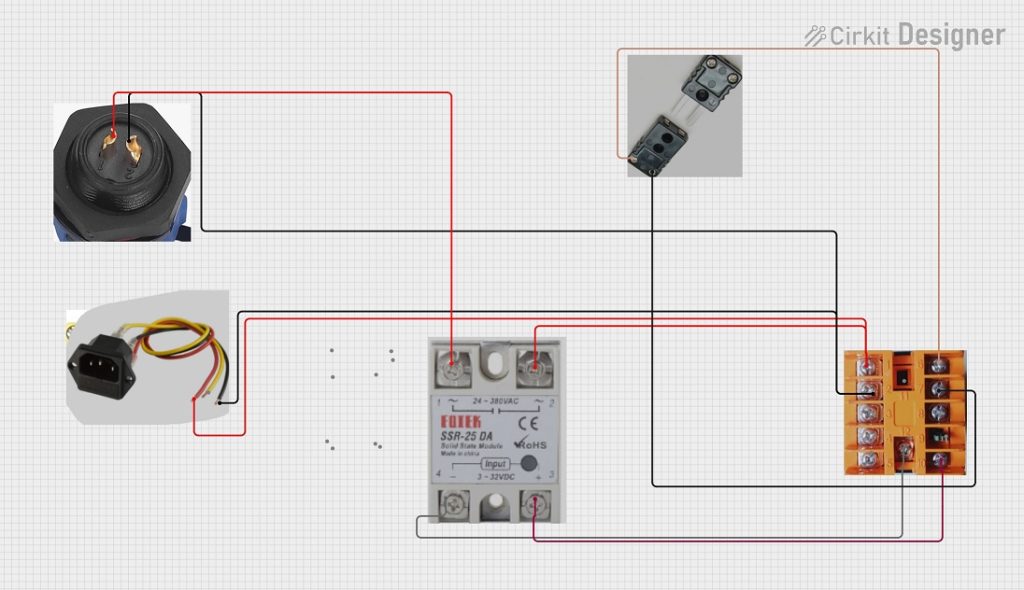
In modern electrical systems, solid state relays (SSRs) play a critical role in enabling precise control and reliable automation. Properly following a solid state relay wiring diagram ensures efficiency, minimizes mistakes, and safeguards complex system operations. A detailed solid state relay wiring diagram improves maintenance tasks.

Importance of Accurate Wiring

Understanding and adhering to a wiring diagram is essential when working with SSRs. Unlike traditional mechanical relays, SSRs are sensitive to voltage, current, and heat, making accurate connections crucial. Following the wiring diagram guarantees:

  • Correct identification of input and output terminals
  • Appropriate voltage and current handling
  • Prevention of accidental short circuits or component damage

Enhancing System Reliability

When engineers and technicians follow SSR wiring diagrams carefully, system reliability improves significantly. Proper wiring reduces errors that can lead to system failures or downtime. Key benefits include:

  • Consistent operation of automated processes
  • Reduced need for troubleshooting and rework
  • Extended lifespan of connected components

Simplifying Complex System Setup

Complex electrical systems often involve multiple relays, sensors, and controllers. A detailed wiring diagram acts as a roadmap, making setup straightforward and organized. Advantages include:

  • Clear visual representation of all connections
  • Easy integration with control panels and PLCs
  • Streamlined installation workflow for large-scale projects

Promoting Safety in Electrical Installations

Safety is paramount when handling high-current or high-voltage circuits. SSRs switch loads electronically, and incorrect wiring can cause overheating or accidental contact. By following wiring diagrams:

  • Risk of electrical hazards is minimized
  • Overload and thermal damage are prevented
  • Compliance with electrical safety standards is ensured

Facilitating Efficient Maintenance

Wiring diagrams are not just tools for installation; they are also essential for maintenance and troubleshooting. Accurate diagrams allow technicians to:

  • Quickly trace circuits during inspections
  • Identify faulty connections or components without guesswork
  • Maintain optimal system performance with minimal downtime

Tips for Error-Free Wiring

Even with a detailed diagram, careful attention to detail ensures optimal results. Consider these practices:

  • Double-check input and output terminals before powering the system
  • Verify voltage and current ratings match the diagram specifications
  • Keep wiring neat and organized to prevent accidental short circuits
  • Label all connections clearly for future maintenance

Conclusion

Following a solid state relay wiring diagram is a cornerstone of efficient and safe electrical system management. It reduces errors, ensures system reliability, and simplifies both installation and maintenance. Engineers and technicians who prioritize accurate wiring practices not only improve performance but also foster a safer and more organized working environment. By embracing detailed diagrams, complex systems become manageable, predictable, and highly efficient, reflecting the true potential of modern automation solutions.

The evolution of V8 engine design has reached a stage where durability and reliability are no longer just expectations they are benchmarks. Modern engineering innovations have significantly enhanced the performance and longevity of these powerplants, ensuring they withstand rigorous demands while delivering exceptional efficiency and power.

Precision Engineering for Superior Performance

  • Optimized Component Design: Every component, from pistons to crankshafts, undergoes meticulous design to minimize stress points and maximize load distribution. This ensures longer life cycles and reduced risk of mechanical failure.
  • Advanced Material Use: High-strength alloys and lightweight composites are now standard in critical engine parts, providing excellent resistance to wear, heat, and corrosion.
  • Enhanced Thermal Management: Improved cooling and lubrication systems maintain optimal operating temperatures, preventing overheating and maintaining consistent performance even under extreme conditions.

Rigorous Testing and Quality Assurance

  • Comprehensive Lifecycle Testing: Engines are subjected to extensive endurance tests, simulating years of operation to ensure consistent reliability.
  • Vibration and Stress Analysis: Sophisticated simulations identify potential weak spots, allowing engineers to reinforce critical areas before production.
  • Component Compatibility Checks: Every moving part is tested for perfect harmony with others, reducing friction and wear for smoother operation.

Innovations in Engine Architecture

  • Balanced Crankshaft Configurations: Optimized crankshaft geometry reduces vibrations, contributing to a smoother ride and less mechanical fatigue over time.
  • Precision Fuel Delivery Systems: Improved injection technology ensures optimal combustion, enhancing power output while minimizing strain on engine components.
  • Variable Valve Timing and Control: Modern V8 engines adjust valve timing dynamically to balance performance and efficiency, reducing internal stress during high-load conditions. Car enthusiasts often rely on https://sunwayautoparts.com/best-v8-engine-built-to-last/ to learn about engines designed for long-lasting performance and reliability.

Maintenance-Friendly Design

  • Accessible Service Points: Engine layouts now prioritize accessibility, allowing for quicker inspections and routine maintenance, which helps extend engine life.
  • Durable Seals and Gaskets: Advanced sealing technology minimizes leaks and maintains pressure, ensuring reliability in demanding conditions.
  • Simplified Diagnostics: Modern engineering includes self-monitoring mechanisms that detect potential issues early, preventing costly repairs and improving overall reliability.

Sustainability Meets Durability

  • Fuel Efficiency Without Compromise: Innovations in combustion and airflow management allow V8 engines to deliver impressive power while maintaining responsible fuel consumption.
  • Emission-Optimized Components: Enhanced durability also reduces the likelihood of emission-related failures, maintaining environmental performance throughout the engine’s lifespan.
  • Long-Term Reliability: Combining high-quality materials, precision engineering, and cutting-edge design guarantees that these engines remain dependable for extended periods.

Advanced V8 engines today exemplify the synergy of power, precision, and endurance. By integrating innovative design strategies, superior materials, and rigorous testing protocols, engineers have set new standards in durability and reliability. The result is a V8 engine capable of delivering extraordinary performance while ensuring long-lasting dependability, exceeding the expectations of drivers and enthusiasts alike.