

Home electronics have become an essential part of daily life, from computers and televisions to refrigerators and gaming consoles. These devices are often costly and store important data, making them valuable assets. However, power surges sudden increases in electrical voltage can damage or destroy these devices instantly. A surge protector acts as a shield, absorbing excess voltage and preventing harm. Investing in a quality surge protector ensures that your electronics remain safe, reliable, and functional. Protecting your devices now can save both money and stress in the long run.
Why Surge Protectors Are Important
Power surges can occur for several reasons, including lightning strikes, faulty wiring, or sudden changes in electrical demand. Even a minor surge can shorten the lifespan of electronics. Surge protectors prevent these risks by redirecting extra voltage away from your devices. They are especially important for expensive or sensitive equipment like computers, home entertainment systems, and kitchen appliances. Without protection, replacing damaged electronics can be expensive and inconvenient. Engineers explain surge protection device working principle to ensure reliable operation of electronics under fluctuating electrical conditions.
Key Benefits of Surge Protectors
- Protects Valuable Electronics: Shields computers, TVs, gaming systems, and other devices from sudden voltage spikes.
- Prevents Data Loss: Safeguards computers and external drives that contain important personal or work-related data.
- Extends Device Lifespan: Reduces wear and tear caused by frequent minor power fluctuations.
- Cost-Effective Safety: A small investment in surge protection is far cheaper than replacing damaged electronics.
- Easy to Use: Simple to plug in and provides immediate protection for multiple devices.
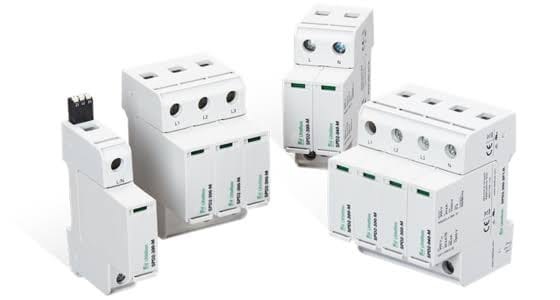
How to Choose the Right Surge Protector
Selecting the right surge protector requires attention to a few key factors:
- Joule Rating: Indicates the amount of energy the protector can absorb before failing. Higher ratings offer better protection.
- Clamping Voltage: The voltage level at which the protector starts redirecting excess energy. Lower numbers provide faster protection.
- Number of Outlets: Choose a surge protector with enough outlets to cover all devices in one area.
- Response Time: Faster response times help prevent damage before it reaches your electronics.
- Indicator Lights: Many surge protectors have lights that show they are functioning correctly.
Placement Tips
- Place surge protectors where multiple electronics are used together, such as entertainment centers or workstations.
- Avoid daisy-chaining multiple protectors, which can reduce effectiveness.
- Regularly check the surge protector’s status and replace it if the indicator shows it is no longer functional.
Conclusion
Surge protectors are not just optional accessories they are essential tools for keeping valuable home electronics safe. Electrical safety manuals often illustrate the surge arrester symbol to guide proper installation procedures for surge protection. They prevent damage from unexpected power surges, protect important data, and extend the life of devices. By choosing a high-quality surge protector and placing it strategically, homeowners can reduce the risk of costly repairs or replacements. Investing in surge protection ensures peace of mind and preserves the functionality of everyday electronics, making it a smart and practical choice for every home.